Escovaria de Belomonte is a historic shop and the sole remaining artisan atelier in Portugal dedicated to the intricate escovaria craft. Across four generations, this Porto institution balances ancestral technique with visionary modern design, elevating utility to an act of refined living.
The Quiet Persistence of Escovaria de Belomonte
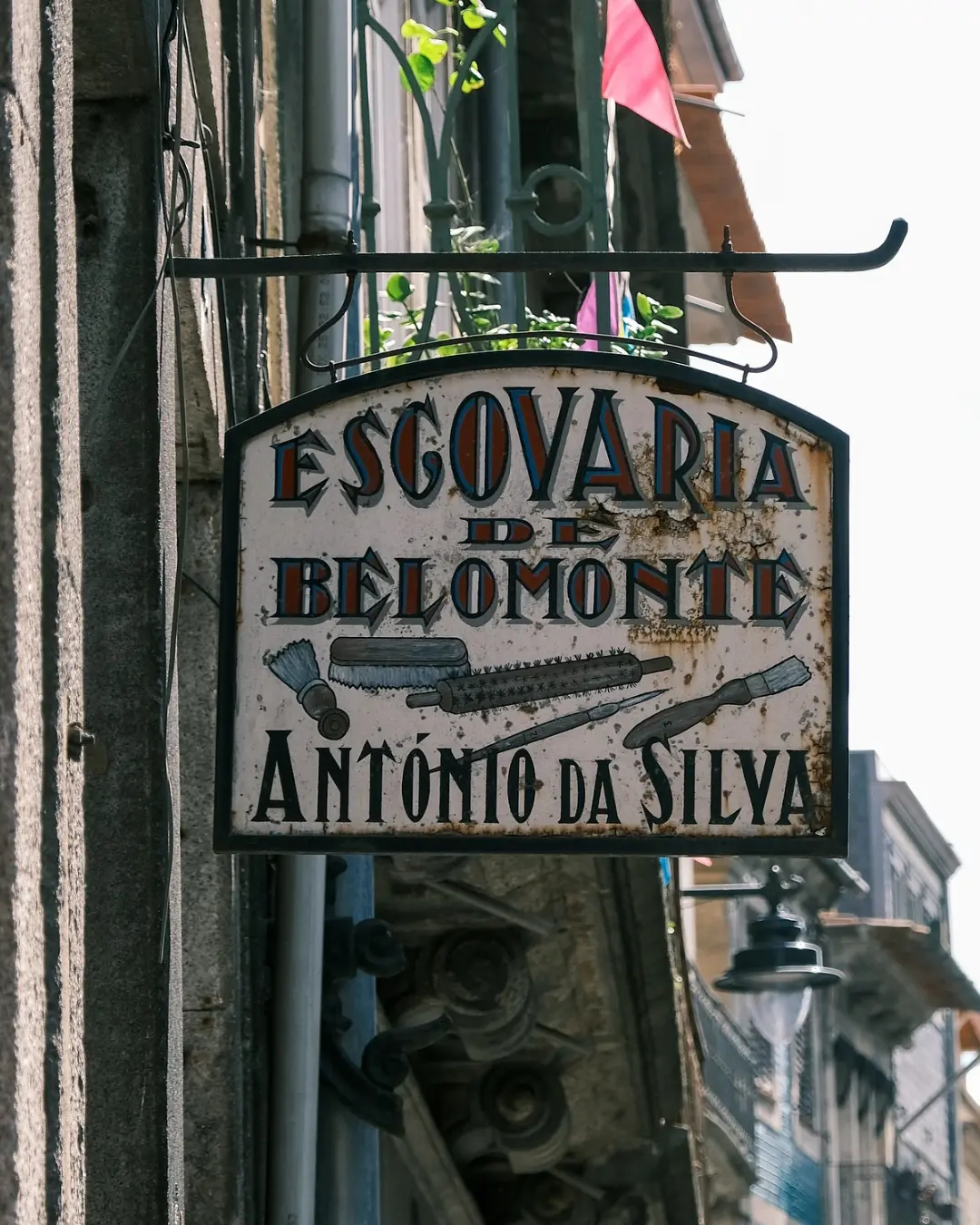
Along a historic, sloping street in Porto, there exists a singular devotion to a near-silent craft. Escovaria de Belomonte is not merely a retailer of brushes and brooms; it is the living museum, workshop, and atelier of a specialized art; the traditional manual practice of escovaria. As the last artisan company in Portugal to handcraft its brushes, this brand embodies the essential values of The Portuguese List: quality, profound craftsmanship, and a quiet cultural authority that transcends transient trends.
Founded in 1927 by António da Silva, the company began with a focus on durability and purpose. Over four generations, the location on Rua de Belomonte, a spot now officially recognized as a “Comércio com História” (Historic Shop) by the Porto City Council, evolved from a purely utilitarian enterprise into a benchmark for refined living, elevating the object of daily function to a piece of design permanence.
A Dialogue Between Hand and Material
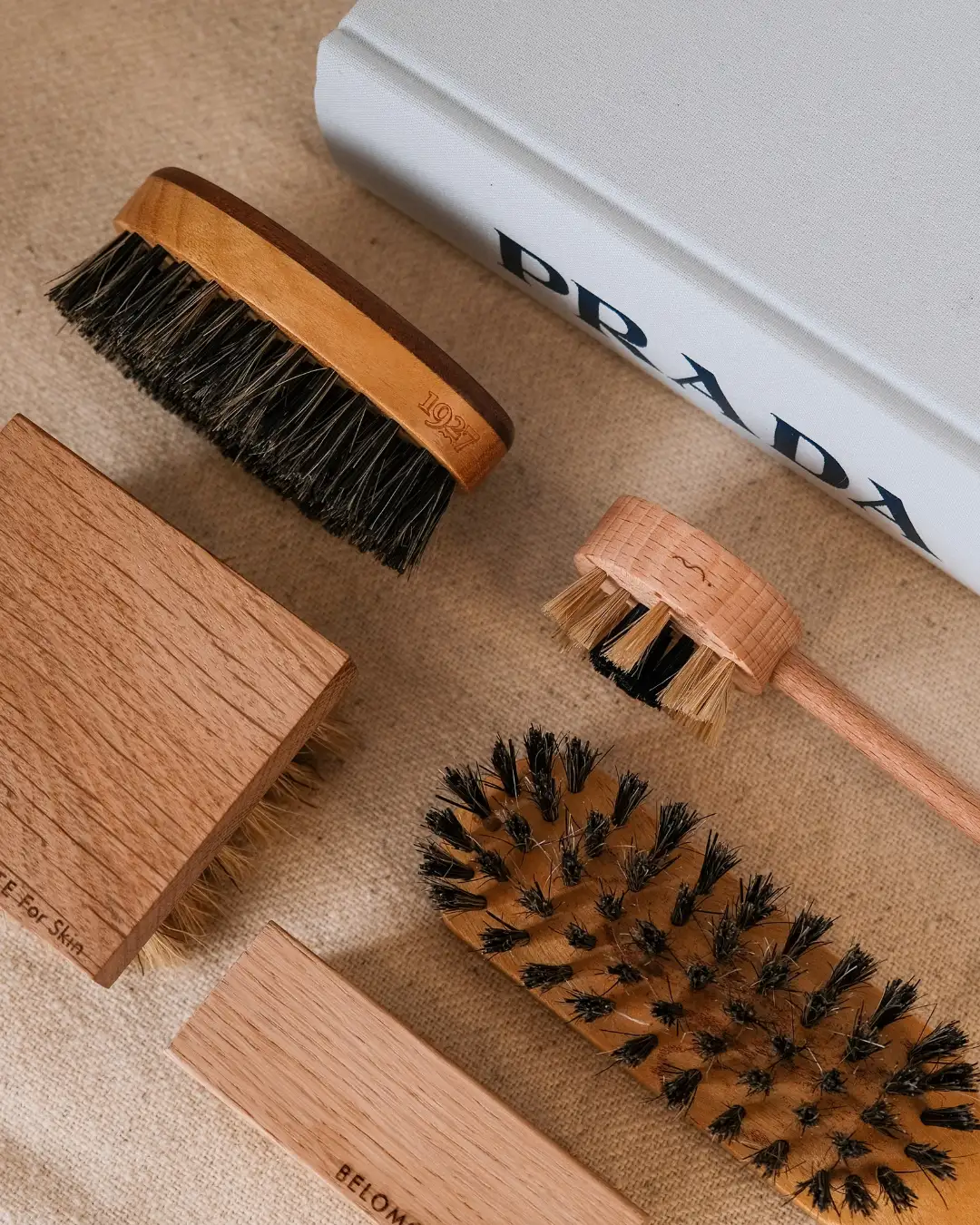
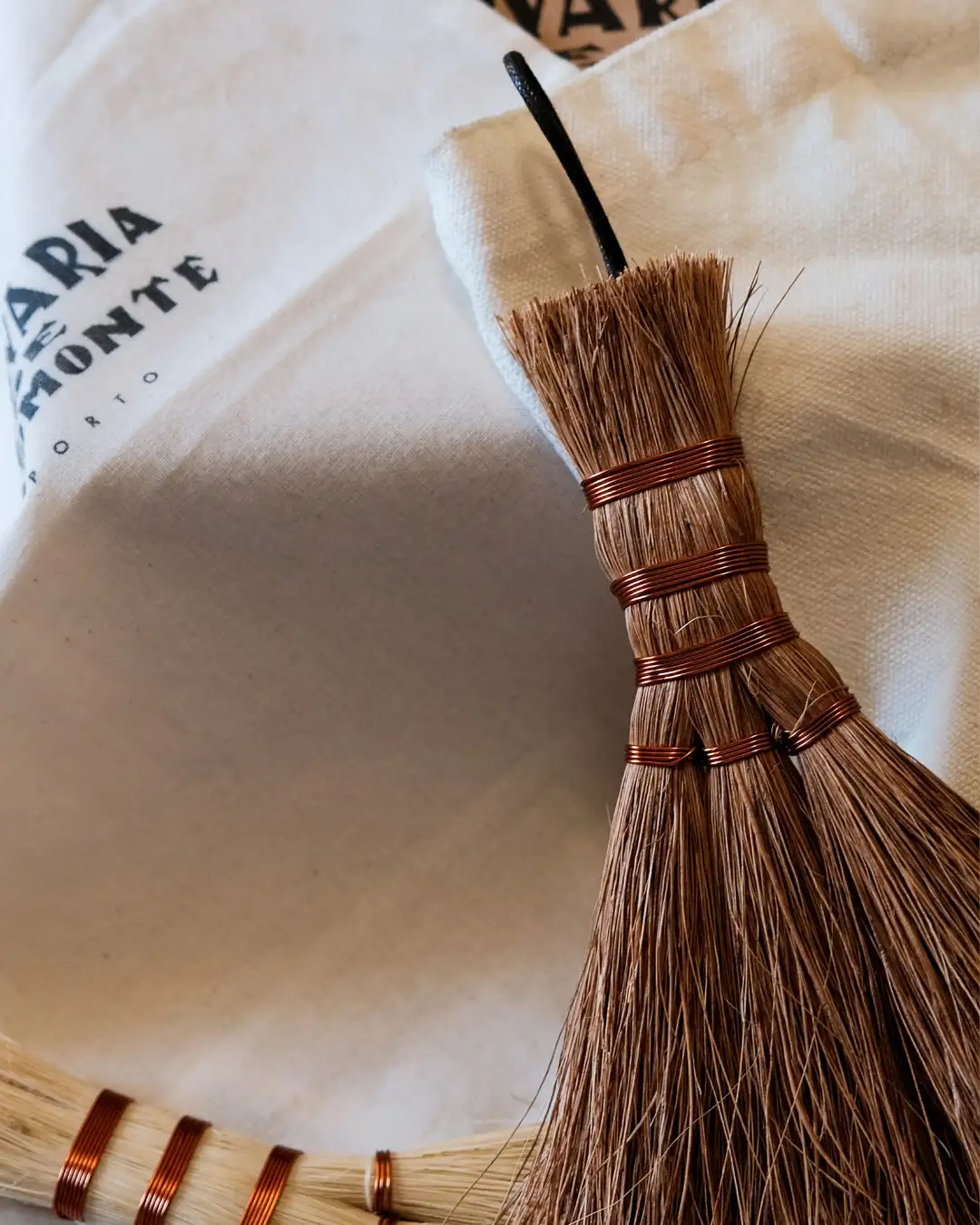
The essence of Escovaria de Belomonte is realized in the intimate relationship between the artisan and the raw material. It is here that the core narrative of Craftsmanship takes precedence. Unlike industrial producers who rely on automated processes and synthetic filaments, the art preserved here remains intensely manual. Each brush is patiently woven with natural fibers (horsehair, goat hair, or resilient Tampico) into wooden handles using a needle and a skill passed down through generations. This process ensures exceptional quality, durability, and a functional beauty that industrial methods cannot replicate.
The hand-finishing defines the final aesthetic. The handles themselves are an exercise in Refined Utility, carved into ergonomic forms that sit comfortably in the palm. These pieces showcase a Natural Palette, drawn solely from the source materials: the varied tones of the wood grain, including indigenous Portuguese oak and beech, set against the fine monochrome of the natural bristles. This meticulous attention to material truth affirms the belief that objects used every day should possess an inherent elegance. The result is a sensory experience, transforming the simple act of brushing a garment or cleaning a surface into a mindful ritual.
The Innovation of the Fourth Generation
The continuity of the brand relies not on stasis, but on considered Innovation. While preserving the core technique, the fourth generation, led by Creative Director Sérgio Rodrigues, has ensured the brand remains globally relevant. His vision is one of renewal, focusing on modern forms and design collaborations that reinterpret the historic archive for a contemporary sensibility.
This fusion of the past’s technical mastery with the present’s design clarity is what makes Escovaria de Belomonte particularly compelling. By reframing utilitarian objects as necessary design tools, the brand speaks fluently to a modern consumer who values origin and longevity. This successful transition from traditional workshop to curated international design brand is a powerful example of Legacy in action, positioning the practice not as a relic, but as an indispensable pillar of European craftsmanship. This dedication to excellence is acknowledged internationally; Sérgio Rodrigues is notably listed on the Homo Faber Guide by the Michelangelo Foundation for Creativity and Craftsmanship, situating the Porto atelier firmly within the global conversation on master craft.
The objects created here are designed to endure, challenging the modern cycle of disposability. They serve as quiet ambassadors of the artisanal soul of Porto, embodying the city’s deep connection to commerce and craft. Choosing an object from Escovaria de Belomonte is an act of trust. A commitment to function, beauty, and the enduring value of human skill.