

For over 200 years, Latoaria Maciel has illuminated Lisbon. Now, the seventh generation continues the family’s heritage craft, shaping light from metal in a story of profound resilience and dedication to artistry that endures.
Before electricity etched its sharp lines across the sky, the nights in Lisbon were softer, defined by the warm, flickering glow of gaslight. The lanterns that held this light, standing like sentinels along the calçada-paved streets, were born from the hands of artisans. In a quiet corner of the city, the sound of a hammer striking brass still echoes this history, a resonant link to the past kept alive within the workshop of Latoaria Maciel.

Founded in 1798 and the official tinsmiths to the Portuguese Royal House, the story of Latoaria Maciel is inseparable from the story of Lisbon itself. For over two centuries and across seven generations, this family-run artisanal workshop has been shaping light from metal. Their work is a quiet but constant presence in the capital’s most hallowed spaces, such as the Sé de Lisboa, while their reputation extends across the country to illuminate landmarks like the grand Vidago Palace Hotel.
The responsibility for its continuation now rests with Margarida Pragana Gamito, the first woman to lead the family business. Margarida had built a life away from the workshop, with a fifteen-year career in marketing. But when her father fell ill and the business faced eviction from its historic home of 160 years in Chiado, she was faced with a profound choice: allow a 200-year-old legacy to become a memory, or leave her world behind to save it. She chose the latter. This decision marked a pivotal transformation, not just for the brand, but for her. It was a return to her roots, an acceptance of a duty to preserve what she calls the family’s “living museum.”
Stepping into the Latoaria Maciel atelier, now located in the Mercado de Ofícios do Bairro Alto, is to witness a conversation between generations. Here, ancestral tools, some centuries old, are still used to cut, shape, and solder sheets of brass and tinplate. The process is entirely manual, a slow and deliberate art form. Each piece of handmade brass lighting from Portugal that emerges from the workshop is a testament to this patient dedication. These are not mere lamps; they are objects with soul, bearing the subtle imperfections and unique character that can only come from a human touch. The burnished glow of a finished lantern feels different—it is warmer, deeper, imbued with the story of its creation.
As a traditional Portuguese tinsmith, Margarida, alongside her husband Rui, champions a philosophy of anti-disposability. In a world of fleeting trends, they create artisan lighting fixtures designed to endure for decades, becoming heirlooms passed down through families. This commitment to longevity is the ultimate expression of sustainability, a quiet rebellion against a culture of consumption.
Maciel’s authentic craftsmanship has captivated discerning clients like Christian Louboutin and Monica Bellucci, who recognize the rare value of time-honored artistry. His work enhances distinguished spaces such as São Lourenço do Barrocal, where heritage and natural beauty intertwine beautifully. At Christian Louboutin’s Boutique Hotel Vermelho, Maciel’s artistry weaves a narrative of elegance and cultural fusion. These examples, along with many others, showcase the versatility and profound impact of Maciel’s creations, celebrating a unique blend of craftsmanship that inspires those who seek both sophistication and authenticity.

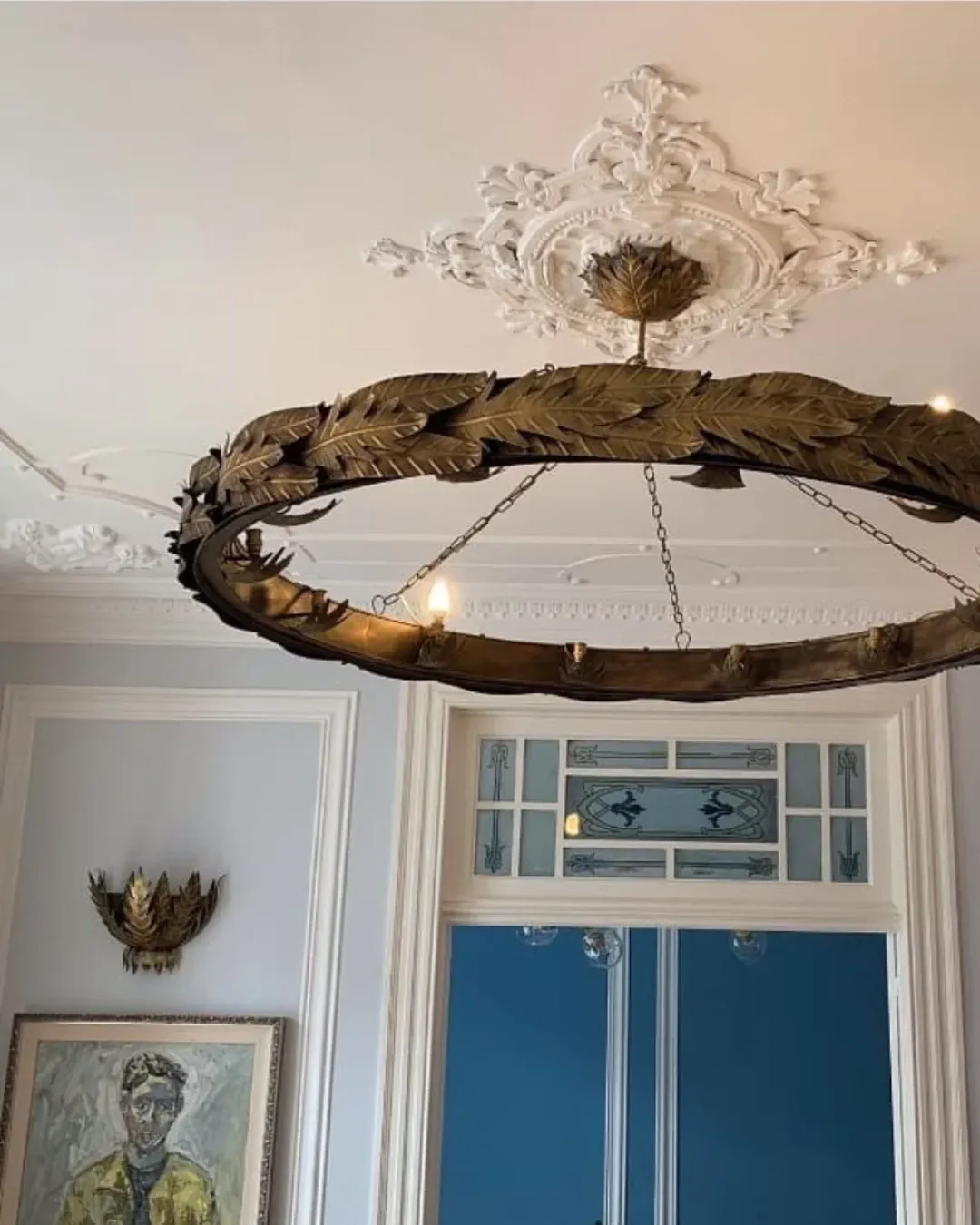
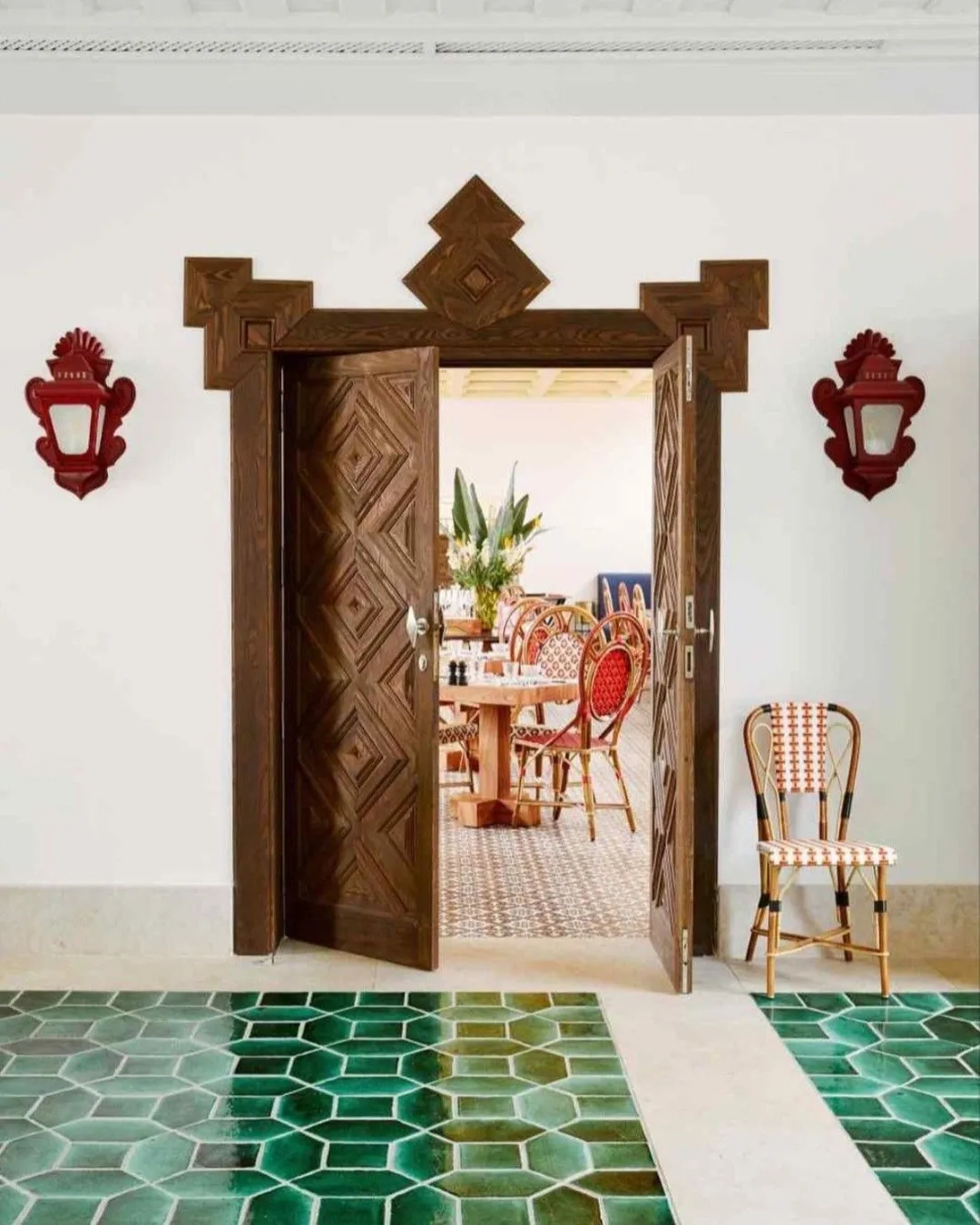
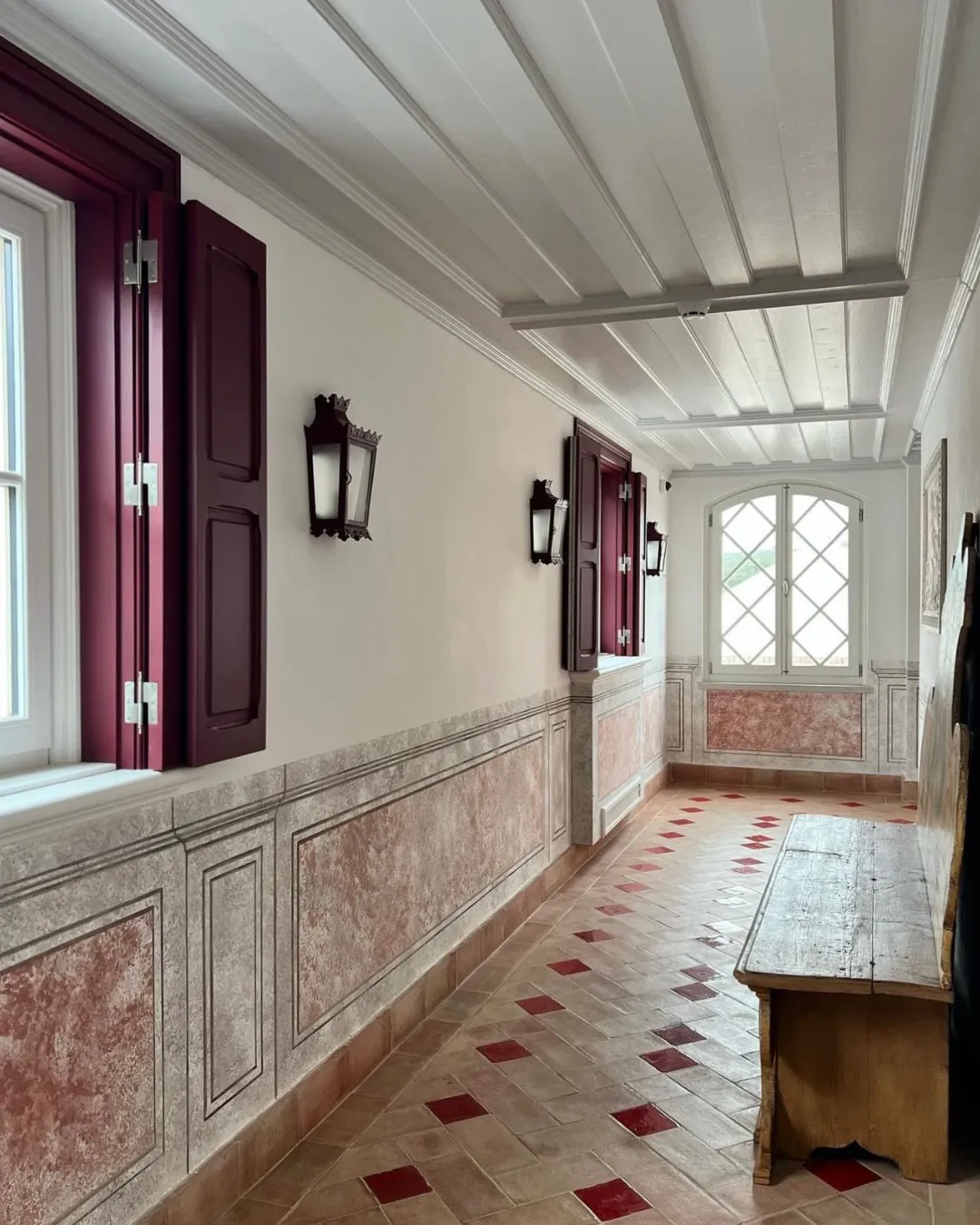
At The Portuguese List, we see in Latoaria Maciel not only the unbroken light of Lisbon, but a beacon of Portuguese resilience, artistry, and cultural identity. It is heritage that transcends place, carrying the glow of centuries into the future.